
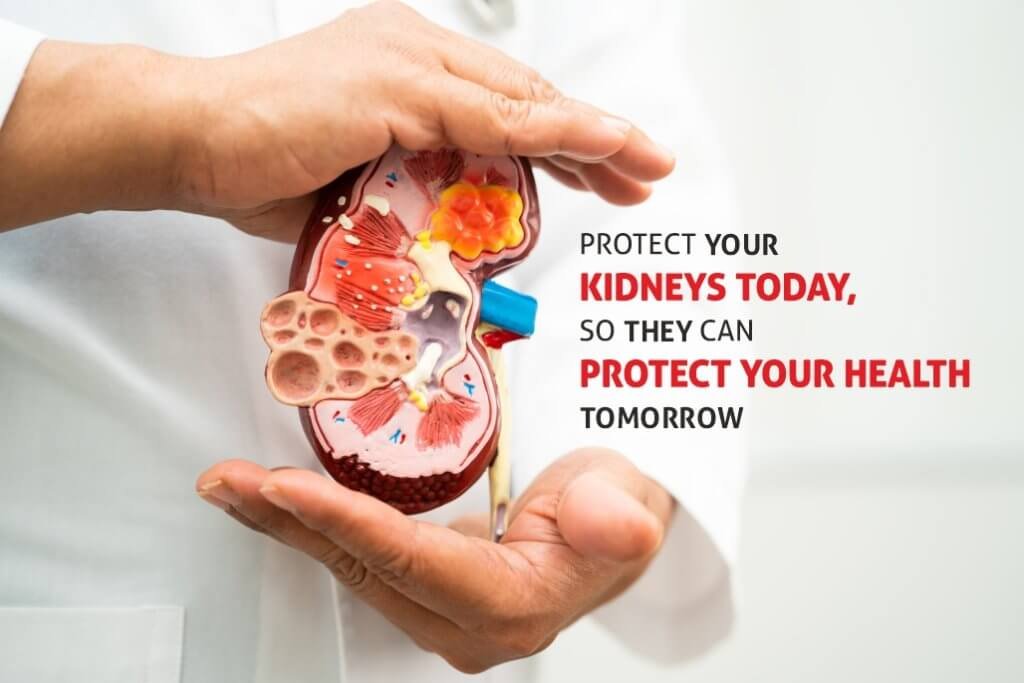
Kidney health: what you need to know
Your kidneys are two small organs, each about the size of a fist, that quietly do one of the body’s most vital jobs. Every day they filter around 180 litres of blood, remove waste and excess fluid as urine, regulate blood pressure, and keep minerals like sodium and potassium in balance. When they struggle, almost every other organ feels the effect.
The concern in India — and in Kolkata in particular — is that kidney disease is rising fast, driven largely by two conditions that are becoming increasingly common: high blood pressure and type 2 diabetes.
Why kidneys get damaged
Chronic kidney disease (CKD) develops gradually, usually over years. The most common causes are uncontrolled blood pressure, which puts excessive strain on the tiny blood vessels inside the kidney, and high blood sugar in diabetes, which damages those same vessels over time. In many cases, both conditions are present together, compounding the harm.
Other causes include repeated or prolonged use of painkillers (particularly ibuprofen and similar drugs), recurrent kidney infections, and inherited conditions. Some patients have a family history that puts them at higher risk even without these triggers.
The silent warningMost people lose more than half their kidney function before they feel any symptoms. By the time fatigue, swelling, or changes in urine appear, significant damage has often already occurred. This is why routine testing matters.
Symptoms to watch for
How we test kidney function
At Kolkata Heart Foundation, a kidney health check starts with two simple tests. A blood test measures serum creatinine, which is used to calculate the eGFR — your estimated glomerular filtration rate, essentially a percentage score of how well your kidneys are working. A urine test checks for albumin, a protein that healthy kidneys keep out of the urine. Together, these two results can detect kidney disease years before symptoms develop.
We recommend these tests once a year for anyone with diabetes, high blood pressure, a family history of kidney disease, or who is over the age of 60.
Protecting your kidneys
The good news is that early-stage kidney disease can often be slowed or stabilised with straightforward measures. Keeping blood pressure below 130/80 mmHg, maintaining good blood sugar control, staying well hydrated, reducing salt in the diet, and avoiding unnecessary painkiller use all make a meaningful difference.
A class of medications called SGLT-2 inhibitors, originally developed for diabetes, has also proven highly effective at protecting the kidneys — and the heart — even in patients whose diabetes is already under control. Our nephrology team evaluates every patient for eligibility.
When to see a nephrologist
If your eGFR falls below 60, if there is consistent protein in your urine, if your blood pressure remains high despite medication, or if your kidney function has declined over two or more tests — ask your doctor for a referral to nephrology. Earlier is always better.
For informational purposes only. Please consult your physician for personalised medical advice. · Kolkata Heart Foundation, 2025